
The 5% vs. 10% Niacinamide Rule: Why High Percentages Cause Irritation & Breakouts (And How to Pick the Right Formula)
In skincare, double the percentage does not mean double the results. Peer-reviewed dermatology studies demonstrate that Niacinamide (Vitamin B3) reaches peak efficacy between 2% and 5%—boosting natural ceramides, regulating oil, and blocking melanosome transfer. Yet because niacinamide is already hidden inside your cleanser, toner, moisturizer, and SPF, stacking a standalone 10% serum on top can overload your skin with 20%+ Vitamin B3 and trigger redness or tiny whiteheads.
Good Molecules Discoloration Correcting Serum (1.0 fl oz / 30ml)
Formulated right in the dermatologist-recommended 4% niacinamide goldilocks zone and paired with 3% tranexamic acid, this lightweight serum blocks pigment transfer and calms redness without the stinging or pilling of high-percentage formulas.
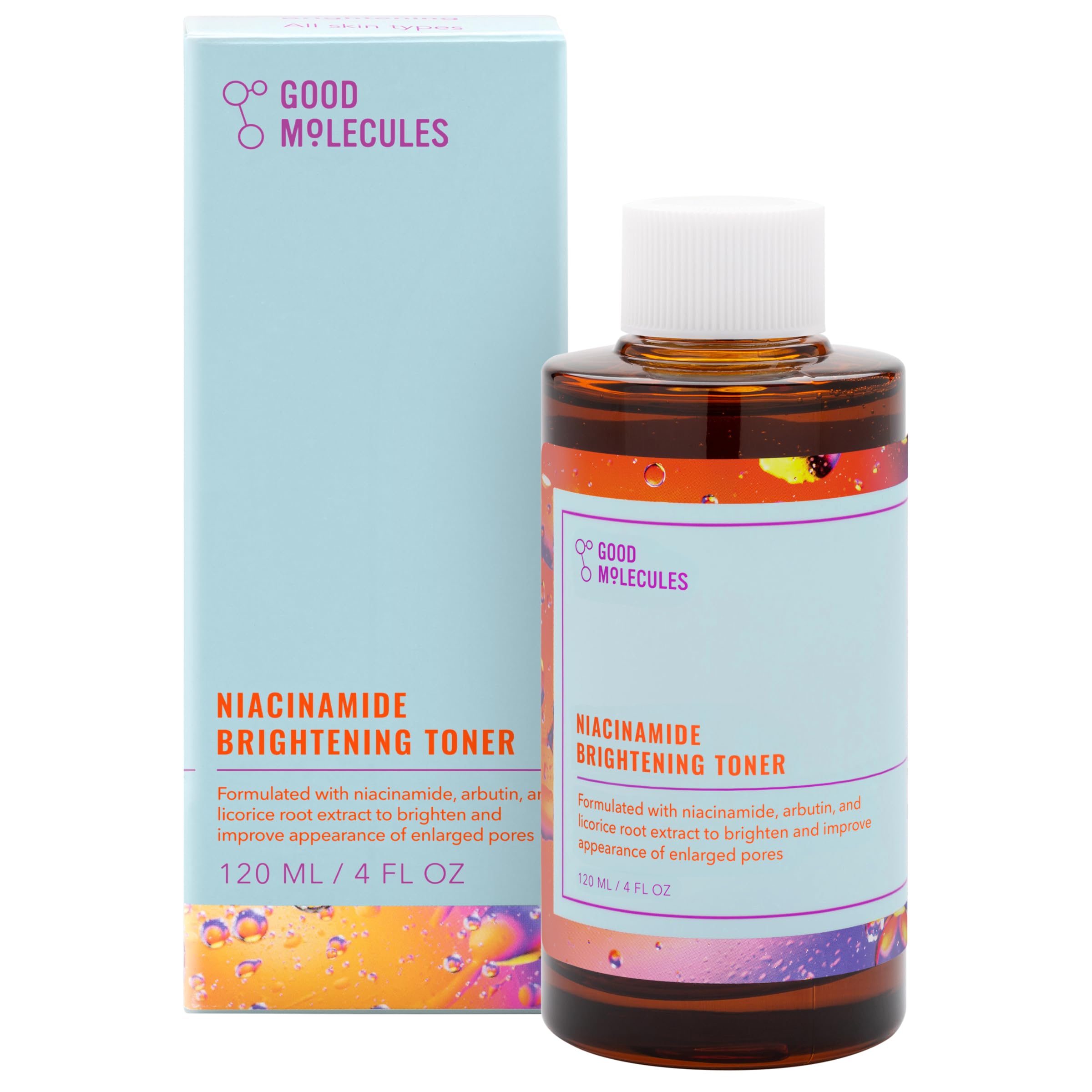
Good Molecules Niacinamide Brightening Toner (4.0 fl oz / 120ml)
Delivers a gentle 3% daily dose of Vitamin B3 alongside alpha arbutin and licorice root extract to visibly tighten stretched pores and brighten dull skin tone right after cleansing.
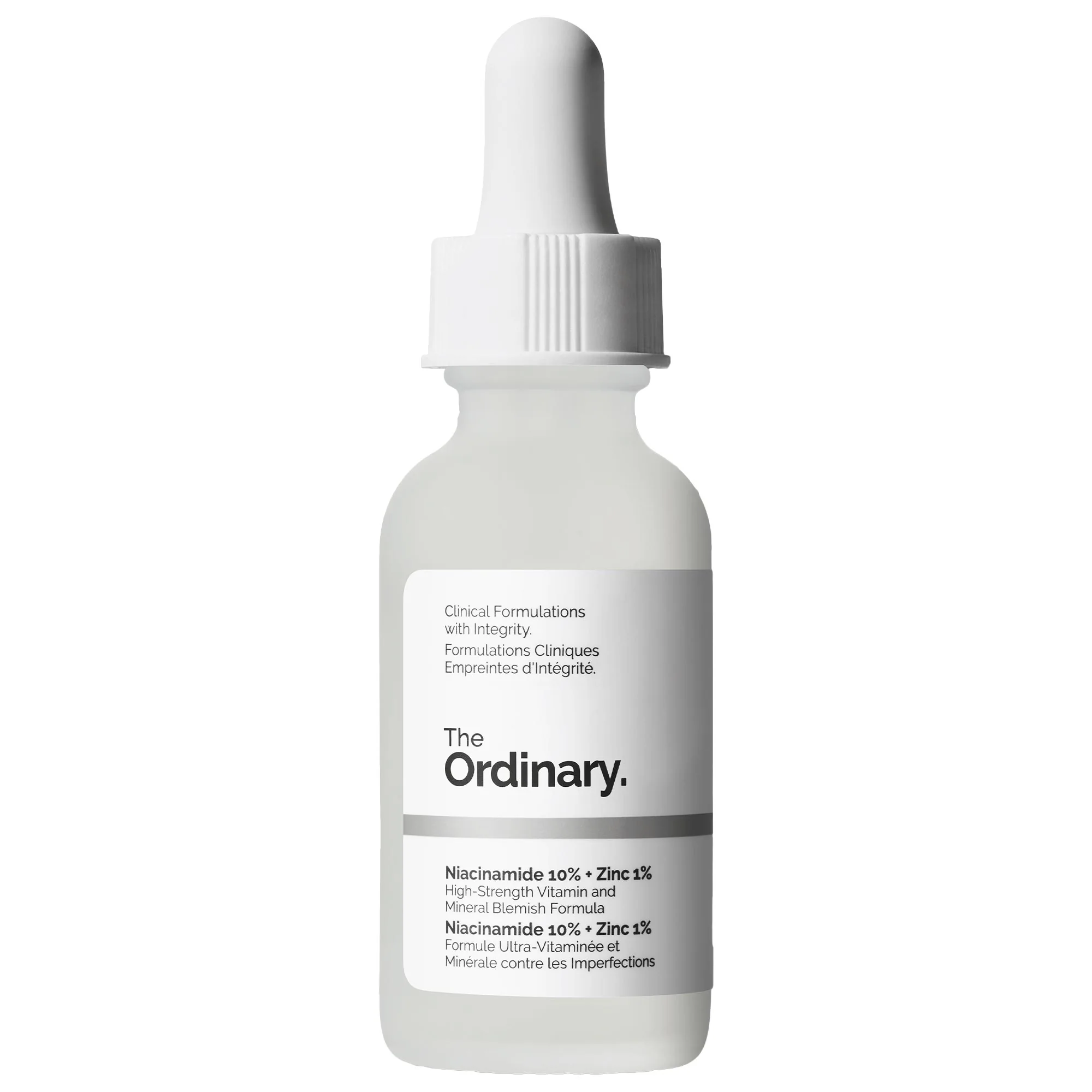
The Ordinary Niacinamide 10% + Zinc 1% Oil Control Serum (1.0 fl oz)
Pro Dermatologist Hack: Instead of applying a full dropper of 10% Niacinamide straight onto bare skin (which can foam, pill under makeup, or cause flushing), mix 2 drops directly into your palm with your daily moisturizer to create a custom 3.5% barrier-strengthening emulsion.
Anua Heartleaf 77% Soothing Toner (250ml)
For the ~10% of sensitive complexions that flush from any concentration of Vitamin B3, Anua's 77% Heartleaf toner regulates excess T-zone sebum and cools inflammatory redness using quercitrin flavonoids with zero niacinamide.