
Korean vs. U.S. Sunscreens: UV Filter Science, PA++++ Ratings & The 6 Best Zero-White-Cast SPFs (2026 Comparative Study)
Up to 80% of visible facial aging—fine lines, elastosis, melasma, and collagen degradation—is driven by long-wave UVA1 radiation (340–400nm) that penetrates window glass and clouds year-round. Yet choosing a daily sunscreen remains frustrating: why do Korean formulas feel like weightless silk serums while many traditional SPFs feel greasy, pill under makeup, or burn your eyes? Here is the exact photochemistry, spectral attenuation data, and verified multi-store price comparison across the 6 highest-performing sunscreens of 2026.
 Beauty of Joseon Relief Sun
$18.99
Best Dry Skin
 Round Lab Birch Juice SPF 50+
$24.53
25% Price Drop
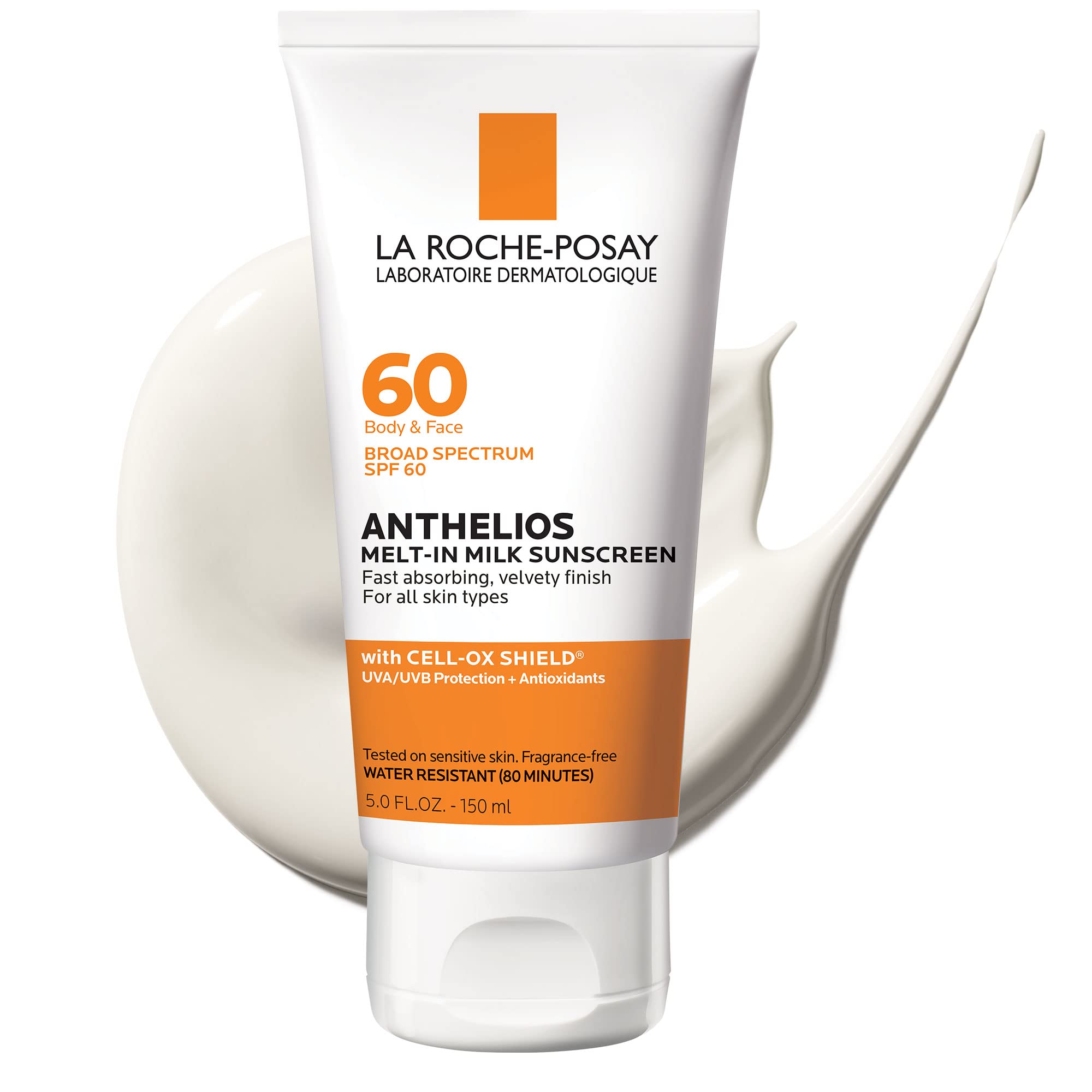 La Roche-Posay Anthelios SPF 60
$28.49
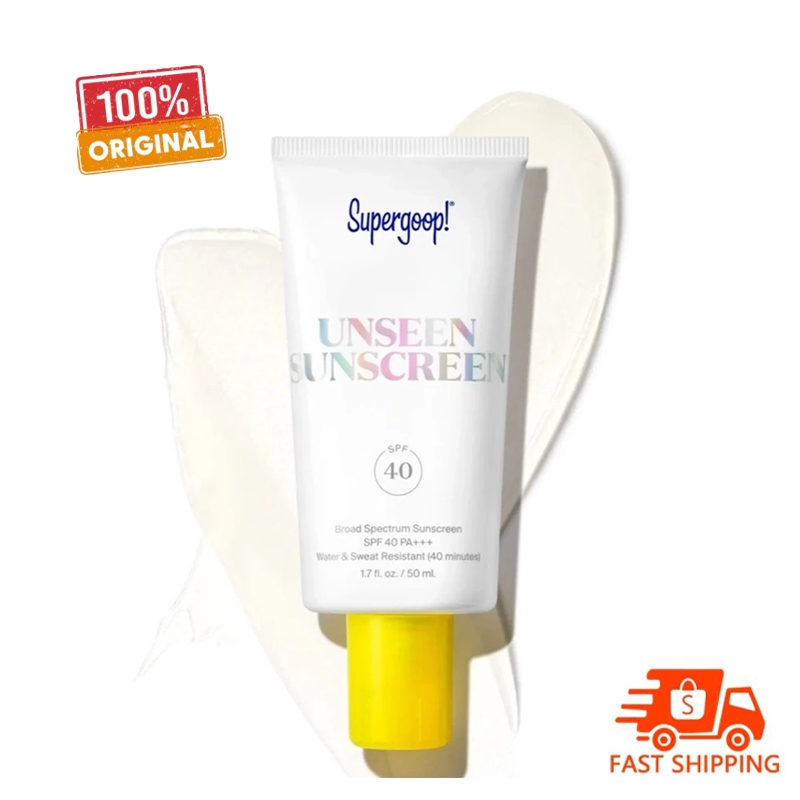 Supergoop! Unseen SPF 40
$38.00
Best Dewy Tint
 Supergoop! Glowscreen SPF 40
$38.00
Best Value ($16)
 Innisfree Daily UV Defense
$16.00
1. The Photochemistry: Why Korean and U.S. Sunscreens Feel So Different
The difference between a heavy, chalky beach sunscreen and a weightless Korean essence comes down to regulatory classification. In the United States, the FDA regulates UV filters as over-the-counter (OTC) drugs rather than cosmetics. Because the FDA has not added a new active UV filter molecule to its monograph since 1999, U.S. formulators must rely on a smaller pool of legacy organic filters (such as Avobenzone, Homosalate, Octisalate, and Octocrylene) or inorganic mineral blockers (Zinc Oxide and Titanium Dioxide).
In South Korea, Japan, and the European Union, regulatory agencies have approved next-generation, high-molecular-weight organic filters—most notably Uvinul A Plus (Diethylamino Hydroxybenzoyl Hexyl Benzoate), Tinosorb S (Bemotrizinol), and Uvinul T 150 (Ethylhexyl Triazone). These molecules obey the 500 Dalton Rule: because their molecular weights exceed 400–500 Daltons, they remain anchored in the outermost dead layer of the skin (stratum corneum), offering three decisive clinical advantages:
- Intrinsic Photostability: Unstabilized Avobenzone can degrade by up to 36% after 60 minutes of direct sunlight unless paired with stabilizers like Octocrylene or antioxidant shields. Tinosorb S and Uvinul A Plus retain over 95% of their UV-absorbing capacity after 2 hours of UV irradiation.
- High Extinction Coefficient: Uvinul T 150 has the highest UVB absorption efficiency of any known filter, allowing chemists to achieve SPF 50+ using only 4%–8% total filter load instead of the 20%–28% oily filter load required in many traditional formulas.
- Zero Ocular Stinging: Larger, water-dispersible filter phases do not migrate into the tear ducts when your face warms up or sweats.
📊 FIGURE 1 · SPECTRAL PHOTOPROTECTION ANALYSIS
UV Wavelength Attenuation Curve: UVB (290–320nm) vs. Long-Wave UVA1 (340–400nm)
While nearly all SPF 30–50 sunscreens block 97%–98% of burning UVB rays (290–320nm), anti-aging protection depends on maintaining high absorbance across the deep dermal UVA1 band (340–400nm), where collagen-destroying matrix metalloproteinases (MMPs) are triggered.
💰 FIGURE 2 · VALUE & PHOTOSTABILITY AUDIT
Price Per Fluid Ounce ($/fl oz) vs. 2-Hour UV Stability Score
Because daily photoprotection requires 1.25 ml per application, a standard 1.7 oz (50ml) tube lasts roughly 40 days of daily use. Here is how the top 6 sunscreens compare on true unit cost ($/oz) and 120-minute photostability.
💡 Dermatologist Beauty Tip: The "2-Finger Rule" & Why Mixing SPF with Foundation Fails
SPF protection follows an exponential decay curve when under-applied. To achieve the labeled SPF 50+ and PA++++ rating, dispense two full strips of sunscreen along your index and middle fingers (~1.25 ml) for your face and neck. Never mix sunscreen directly into liquid foundation in your palm: iron oxides and silicone emulsifiers in makeup disrupt the continuous polymeric UV film-former network, creating microscopic gaps that slash real-world UVA protection by more than 50%. Instead, apply sunscreen first, wait 90 seconds for the film to set, and tap foundation gently on top with a damp sponge.
| Sunscreen | Filter Architecture | Finish & Cast | Water Resistance | Best Skin Type | Verified Price |
|---|---|---|---|---|---|
| Beauty of Joseon Relief Sun SPF 50+ PA++++ (50ml) |
Next-Gen Organic (Uvinul A Plus, Tinosorb M, Uvinul T 150) + 30% Rice Extract | Natural Satin-Dewy · 0% White Cast | None (Everyday Indoor/Commute) | Normal, Combination, Sensitive, Acne-Prone | $18.99 $11.24 / fl oz |
| Round Lab Birch Juice SPF 50+ SPF 50+ PA++++ (50ml) |
Next-Gen Organic (Uvinul A Plus, Uvinul T 150, Tinosorb M) + Birch Sap | Plump Essence Glow · 0% White Cast | None (Doubles as Day Moisturizer) | Dry, Dehydrated, Retinol-Treated Skin | $24.53 $14.51 / fl oz |
| La Roche-Posay Anthelios SPF 60 Broad Spectrum SPF 60 (150ml) |
Stabilized Avobenzone 3% + Homosalate + Cell-Ox Shield Antioxidants | Velvet Lotion · Invisible on All Tones | 80 Minutes (Beach & Sport) | High UV Exposure, Outdoor Sports, Face & Body | $28.49 $5.70 / fl oz (25% Off) |
| Supergoop! Unseen SPF 40 Broad Spectrum SPF 40 (50ml) |
Avobenzone 3% + Meadowfoam Seed Oil + Red Algae | 100% Clear Blur Gel · Pore-Smoothing | 40 Minutes (Sweat Resistant) | Oily, Combination, Heavy Makeup Wearers | $38.00 $22.35 / fl oz |
| Supergoop! Glowscreen SPF 40 Broad Spectrum SPF 40 (50ml) |
Avobenzone 3% + Niacinamide + Hyaluronic Acid + Cocoa Peptides | Radiant Pearl Tint · Glass-Skin Sheen | None (Illuminating Makeup Base) | Dull, Dry, No-Foundation Makeup Days | $38.00 $22.35 / fl oz |
| Innisfree Daily UV Defense SPF 36 Broad Spectrum SPF 36 (50ml) |
Avobenzone 2.5% + Green Tea + Cica (Centella Asiatica) + Sunflower Oil | Weightless Fresh Cream · 0% Cast | None (Everyday Comfort) | Budget Shoppers, Redness-Prone Skin | $16.00 $9.47 / fl oz |
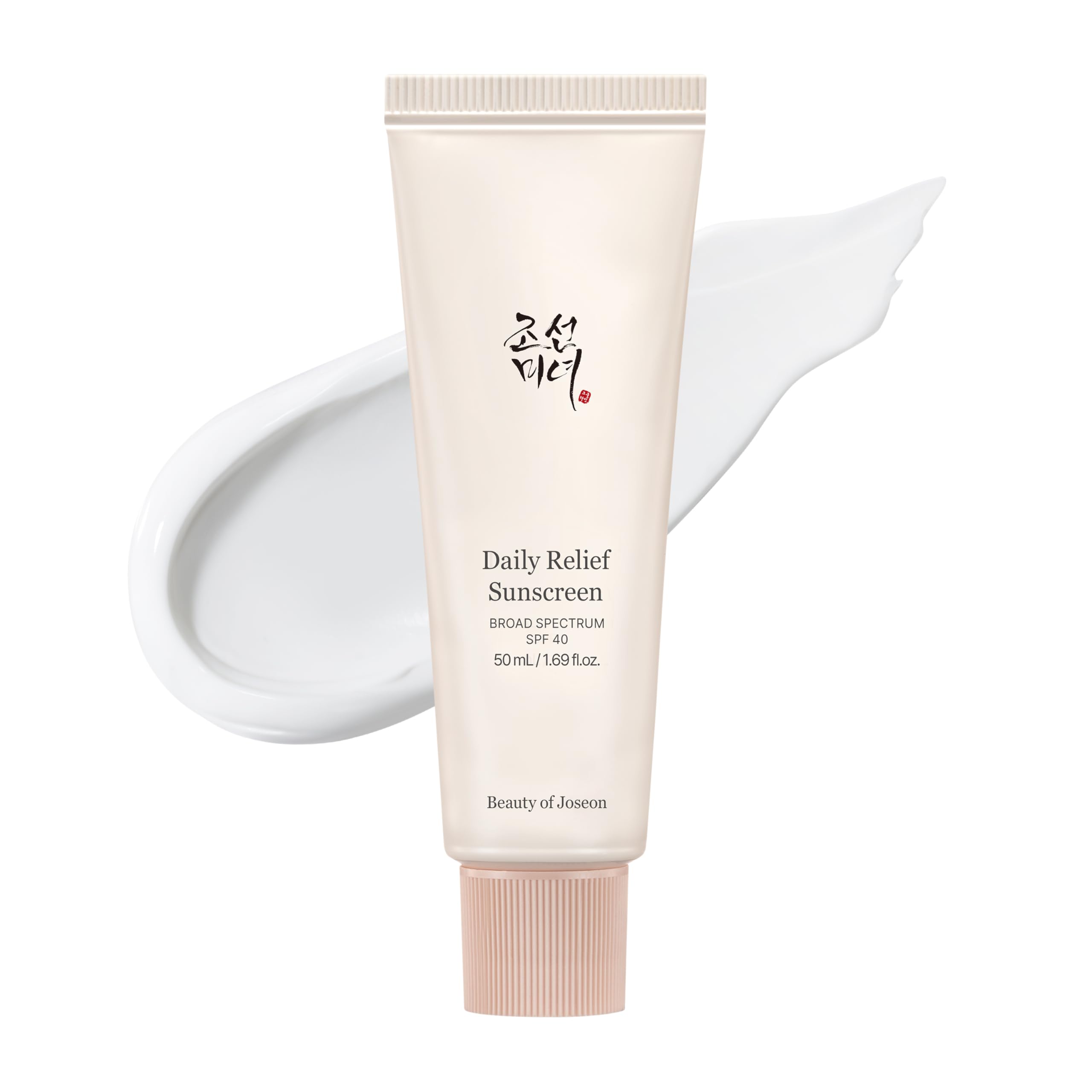
Beauty of Joseon Relief Sun: Rice + Probiotics (SPF 50+ PA++++)
Beauty of Joseon Relief Sun single-handedly converted millions of sunscreen skeptics into daily SPF wearers. Instead of thick mineral pastes or alcohol-heavy gels, this formula suspends four photostable next-generation UV filters inside a soothing base of 30% Korean rice bran extract and fermented grain probiotics. It glides across the skin like a whipped luxury moisturizer, absorbs within 45 seconds without a trace of white cast on even the deepest complexions, and leaves a calm, hydrated satin finish that never pills under foundation.
Why It Leads Our Photobiology Ranking
- Verified PA++++ rating (PPD ≥ 16) blocks deep collagen-degrading UVA1 rays
- Zero fragrance, zero essential oils, and zero ocular stinging around sensitive eyes
- Rich in vitamin B, C, and E amino acids from 30% rice extract + 2% niacinamide
- Can completely replace your morning moisturizer on normal-to-oily skin
Application Advice
- Not water-resistant; switch to La Roche-Posay Anthelios for swimming or intense outdoor sports
- Allow 60 seconds to settle before applying silicone-based primers
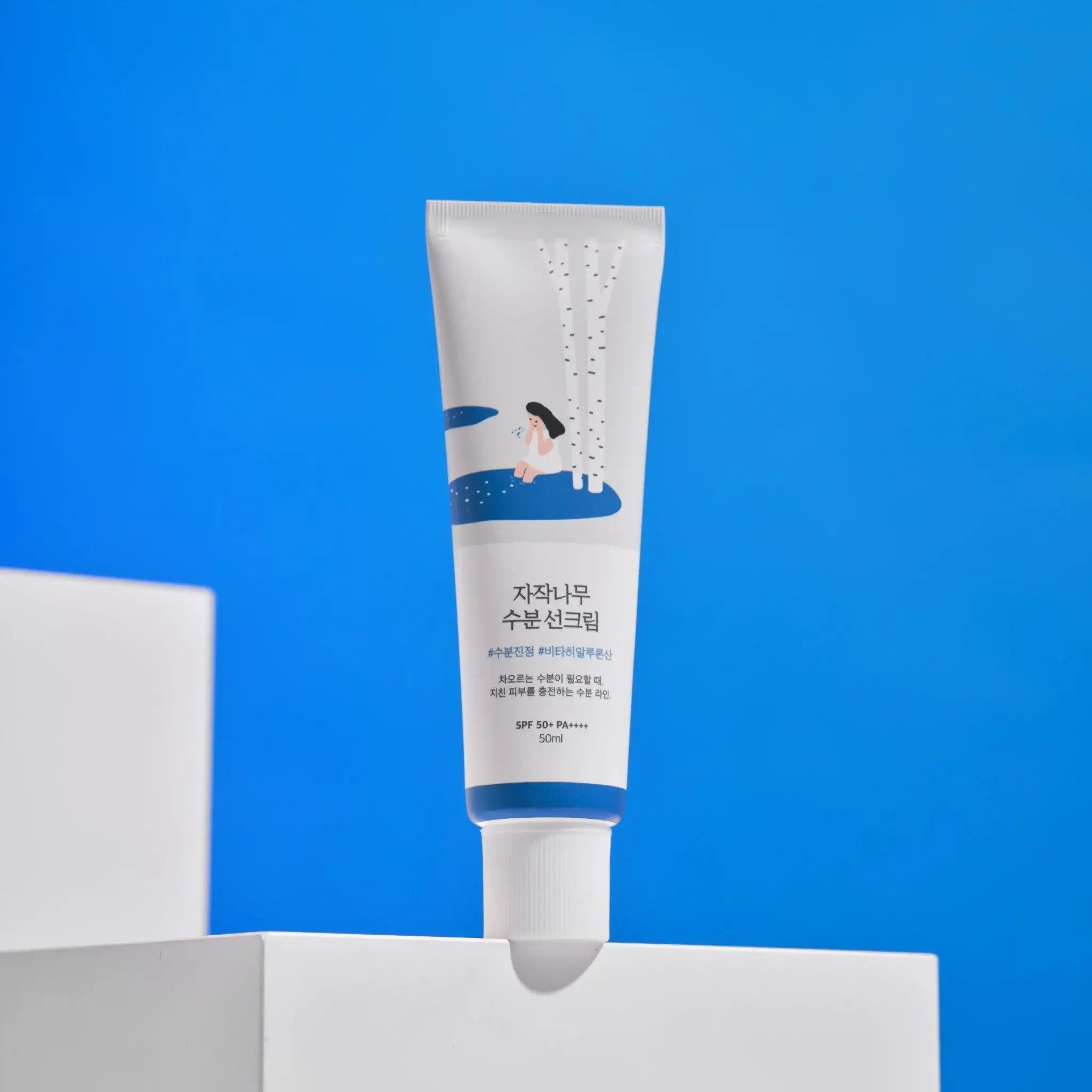
Round Lab Birch Juice Moisturizing Sunscreen (SPF 50+ PA++++)
In Seoul’s domestic skincare market, Round Lab’s Birch Juice Moisturizing Sunscreen has held the #1 sales crown at Olive Young for multiple consecutive years. Formulated with mineral-rich silver birch sap harvested from Inje alongside glyceryl glucoside (which activates aquaporin water channels in epidermal cells), it functions as an intensive barrier serum and PA++++ sun shield in one. If retinoids, winter wind, or dry office air leave your skin tight by midday, this essence-cream keeps skin dewy for 10+ hours.
Why Dermatologists & K-Beauty Editors Love It
- Aquaporin-activating glyceryl glucoside prevents midday transepidermal water loss
- Dipotassium glycyrrhizate (licorice root derivative) calms UV-induced erythema
- Completely invisible finish with zero chalkiness on facial hair or deep skin tones
- Clinically tested non-comedogenic and reef-safe filter profile
Application Advice
- Very oily complexions in humid climates should skip separate morning cream and use this solo
- Reapply a thin layer every 2 hours during direct midday outdoor exposure
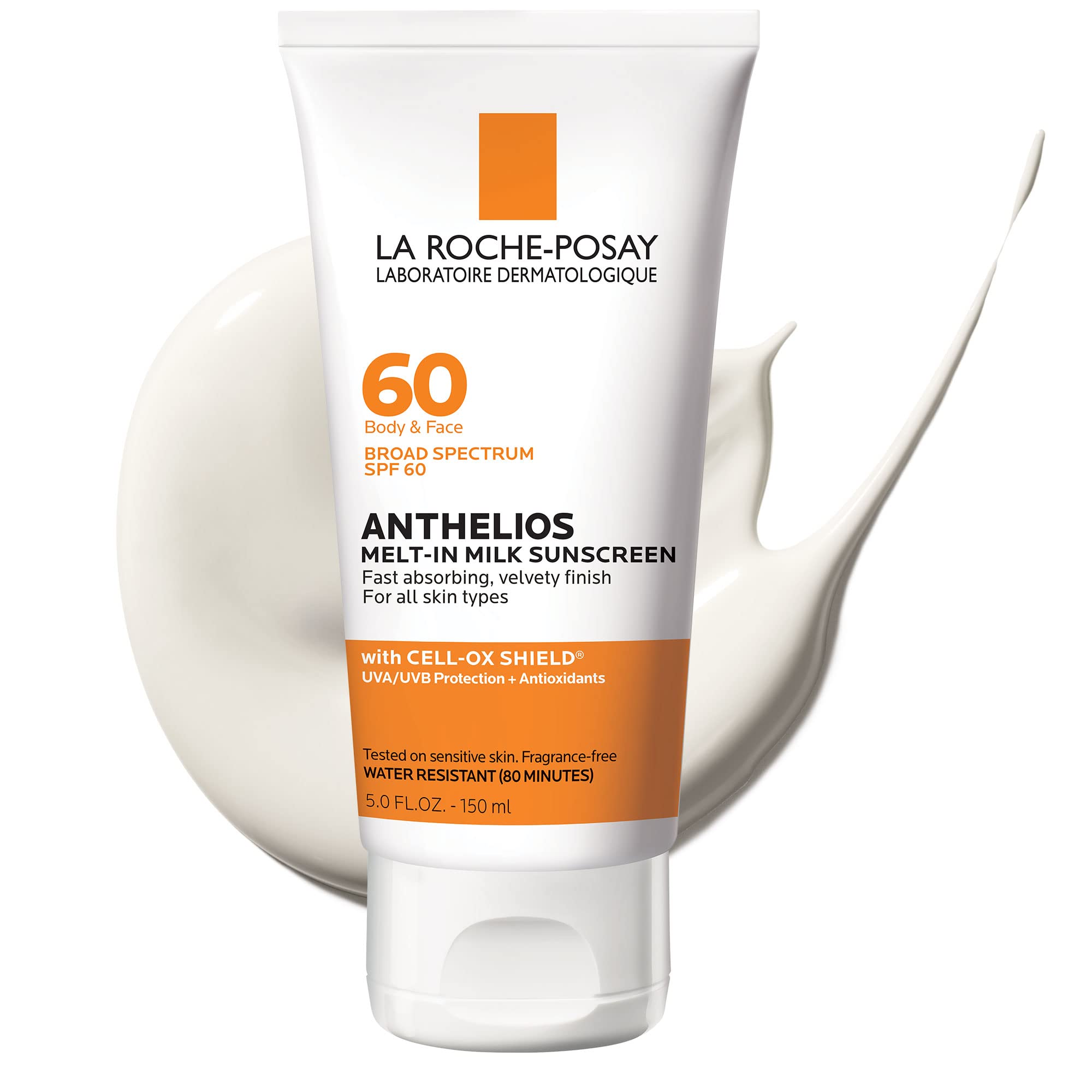
La Roche-Posay Anthelios Melt-In Milk Sunscreen SPF 60 (5.0 fl oz Jumbo)
When you are spending hours outdoors, swimming, running, or vacationing at high UV index latitudes, non-water-resistant commuter sunscreens sweat off rapidly. La Roche-Posay Anthelios Melt-In Milk SPF 60 solves the classic U.S. Avobenzone stability problem using proprietary photostabilizers paired with Senna Alata, a tropical leaf extract that defends cellular DNA against UV-induced free radicals. Even better: at $28.49 for a massive 5.0 fl oz tube (25% off its $37.99 list price), it costs just $5.70 per ounce—making it the undisputed value champion of our study.
Why It Dominates Outdoor & Clinical Testing
- Rigorous 80-minute water and sweat resistance that stays intact during summer heat
- Jumbo 5.0 fl oz size delivers 3x the volume of standard 50ml facial tubes ($5.70/oz)
- Velvety fast-absorbing lotion leaves zero chalky residue on face or body
- Oil-free, fragrance-free, and allergy-tested on sensitive skin
Price Drop Alert Analysis
- Currently $28.49 at Amazon vs. $37.99 MSRP (Save $9.50 / 25% OFF)
- Equivalent to paying only $9.68 per standard 1.7 oz facial sunscreen tube
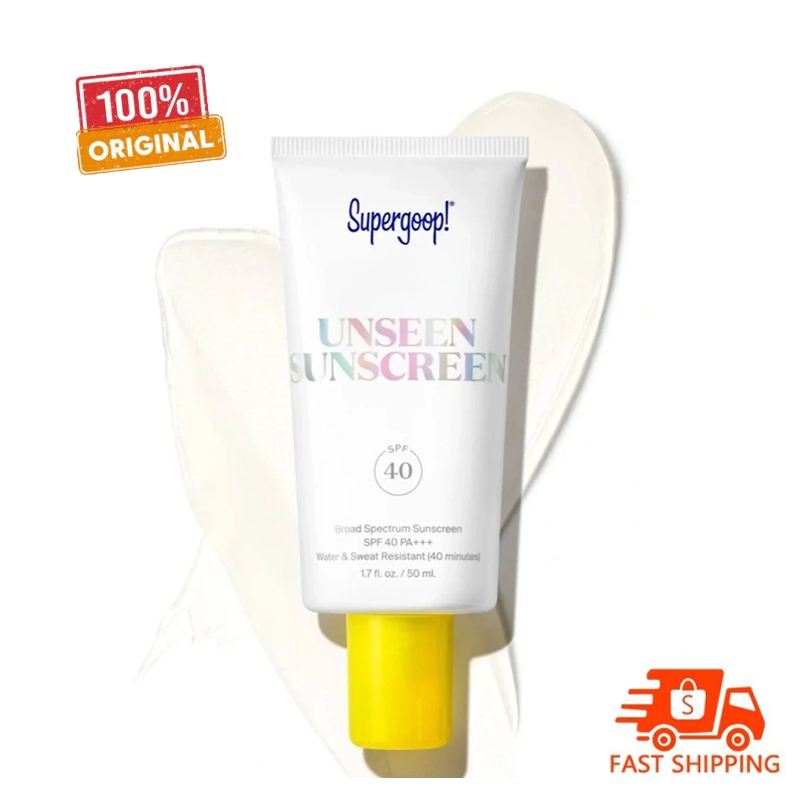
Supergoop! Unseen Sunscreen Broad Spectrum SPF 40 (1.7 fl oz)
For shoppers who wear full-coverage foundation or hate the shine of cream sunscreens, Supergoop! Unseen Sunscreen is an engineering marvel. By suspending UV filters inside an anhydrous, breathable dimethicone elastomer gel, it goes on 100% transparent—resembling Smashbox Photo Finish Primer rather than sunscreen. It optically diffuses enlarged pores, controls T-zone sebum for up to 8 hours, and provides 40 minutes of water and sweat resistance.
Why Makeup Artists Swear By It
- 100% clear gel texture guarantees zero white cast on every skin tone from fair to deep rich
- Replaces a separate $36 pore-blurring makeup primer in your morning routine
- Includes 40-minute water and sweat resistance for humid summer days
- Enriched with blue-light-filtering red algae and soothing frankincense
Application Advice
- Pair with a water-based hydrator underneath if you have dry or flaky patches
- Higher cost per ounce ($22.35/oz), though it eliminates buying a separate primer
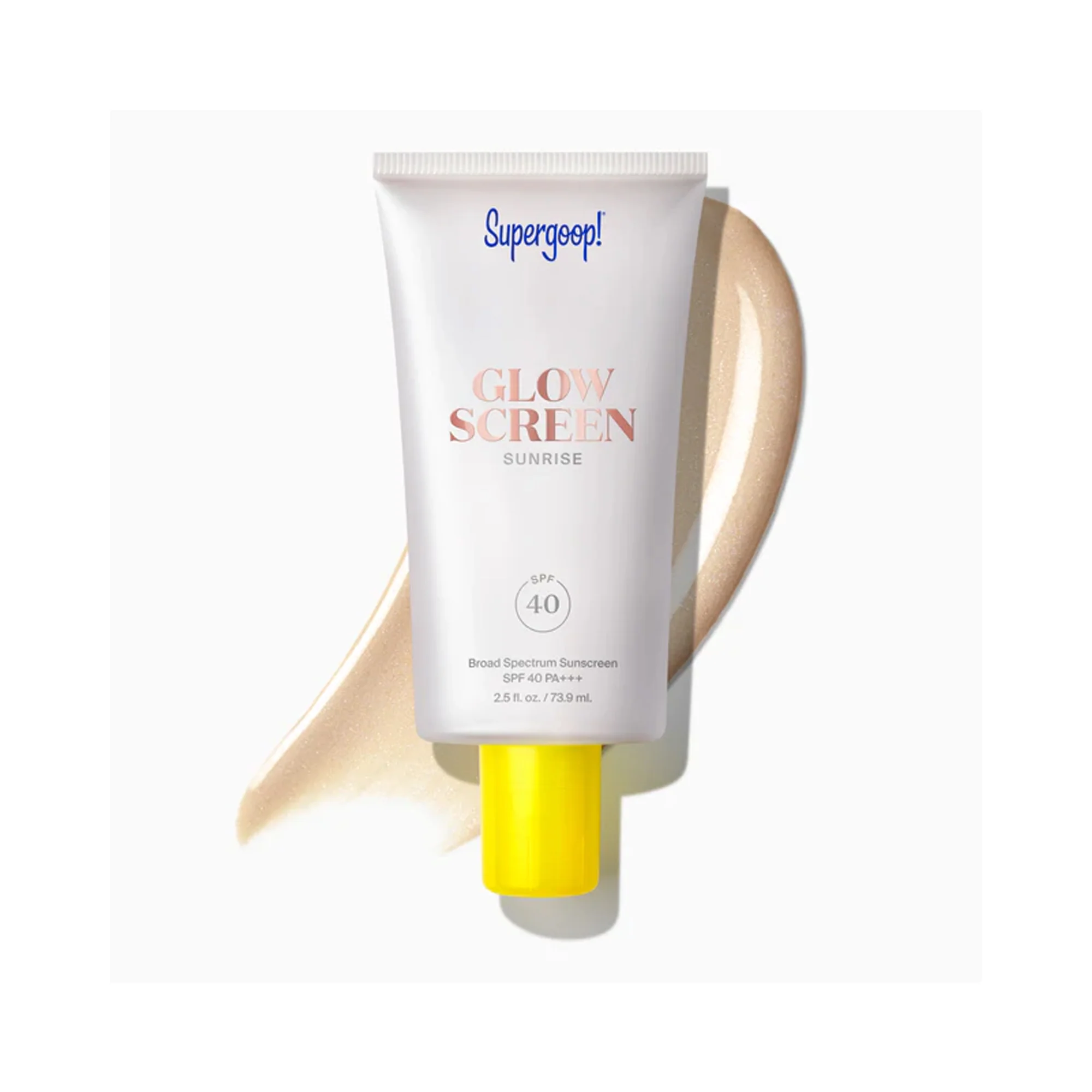
Supergoop! Glowscreen Broad Spectrum SPF 40 in Sunrise (1.7 fl oz)
If Unseen Sunscreen is built for matte pore-blurring, Glowscreen is built for luminous, "no-makeup" glass skin. Infused with ultrafine champagne-pearlescent pigments (zero chunky glitter), hyaluronic acid, vitamin B5, and niacinamide, it bounces soft-focus light off cheekbones to disguise dullness and fatigue instantly. Worn alone with a touch of concealer, it gives the complexion a healthy post-facial glow while delivering broad-spectrum SPF 40 protection.
Why It Is a No-Foundation Staple
- Instant champagne-pearl luminosity erases dullness without heavy foundation
- Hydrating hyaluronic acid + vitamin B5 complex plumps fine surface lines
- Available in flexible sheer shades (Sunrise, Dawn, Golden Hour, Sunset)
- Layers seamlessly under sheer skin tints or liquid blush
Application Advice
- Oily T-zones may want to set the center of the forehead and nose with translucent powder
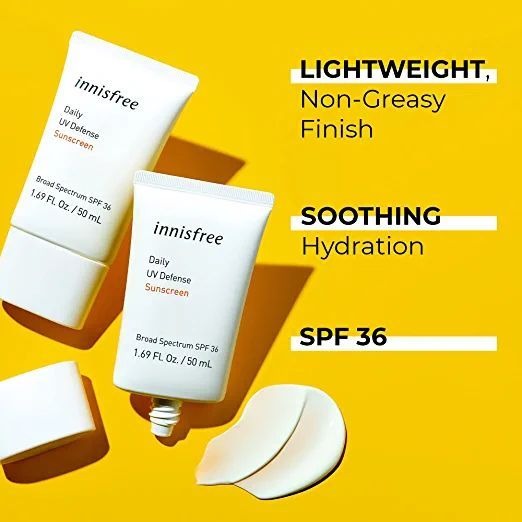
Innisfree Daily UV Defense Invisible Broad Spectrum SPF 36 (1.69 fl oz)
Finding a Korean-inspired, zero-white-cast sunscreen on Sephora shelves for just $16.00 is a rare win. Innisfree Daily UV Defense pairs a lightweight water-emulsion base with Jeju green tea extract (packed with EGCG polyphenols that neutralize UV free radicals) and soothing Centella asiatica (Cica). It melts into the skin with zero greasiness, calms redness, and costs less than half the price of most prestige department-store sunscreens.
Why Budget-Savvy Shoppers Stock Up
- Only $16.00 at Sephora ($9.47/oz)—less than half the price of $38 prestige SPFs
- Cica (Centella asiatica) + green tea visibly calm rosacea-prone or reactive skin
- Zero white cast and fresh, non-sticky serum-lotion texture
Application Advice
- Rated SPF 36; ideal for daily office, school, and errand wear rather than all-day beach trips
Frequently Asked Questions: Sunscreen Science & Daily Wear
What does PA++++ mean on Korean sunscreens compared to U.S. Broad Spectrum?
SPF only measures protection against UVB rays (290–320nm), which cause sunburn. The PA system (Protection Grade of UVA), used in South Korea and Japan, specifically measures Persistent Pigment Darkening (PPD) from UVA rays (320–400nm). PA++++ indicates a PPD factor of 16 or higher, meaning your skin can tolerate at least 16 times more UVA exposure before pigment darkening occurs. U.S. "Broad Spectrum" only requires that UVA protection be proportional to UVB protection (critical wavelength ≥ 370nm) without disclosing the exact PPD rating.
Why do some U.S. chemical sunscreens sting the eyes while Korean sunscreens do not?
Older organic UV filters common in U.S. formulas—specifically Avobenzone, Octocrylene, and Homosalate—have smaller molecular weights (~250–360 Daltons) and require lipophilic solvents that easily migrate with sweat into the tear film. Newer Korean and European filters like Tinosorb S (627.8 Daltons) and Uvinul T 150 (823 Daltons) are larger, photostable molecules (>500 Daltons) that stay anchored in the upper stratum corneum without migrating into the eyes.
How can you reapply sunscreen over makeup at midday without ruining your base?
Use a clean cushion puff or dry flocking makeup sponge: dispense a nickel-sized amount of a lightweight fluid SPF (such as Beauty of Joseon Relief Sun or Round Lab Birch Juice) onto the back of your hand, tap the cushion puff into the sunscreen to create an even thin layer, and press—never rub or swipe—across the high points of your face (cheekbones, nose bridge, forehead). Pressing preserves your foundation and blush underneath while restoring uniform UV film coverage.
🔔 Track Daily Sunscreen & Skincare Price Drops
Want an instant email when Beauty of Joseon, La Roche-Posay, or Supergoop! drops in price? Tap the 🔔 bell icon on any deal card on our homepage or join our Friday Beauty Drop digest.
Browse All 339 Verified Deals →