
Best Vitamin C & Brightening Serums Under $50 (2026 Reviewed & Compared)
You don't have to spend $180 on prestige skincare to fade hyperpigmentation, protect against pollution, and achieve an all-day glow. We reviewed and compared top-rated antioxidant and brightening treatments under $50, analyzing ingredient stability, clinical results, and live prices across Amazon, Sephora, Ulta, Target, and Walmart.
How We Evaluated
Our editorial team evaluated products using:
This helps build trust and ensures our recommendations remain completely objective, transparent, and focused on real consumer value.
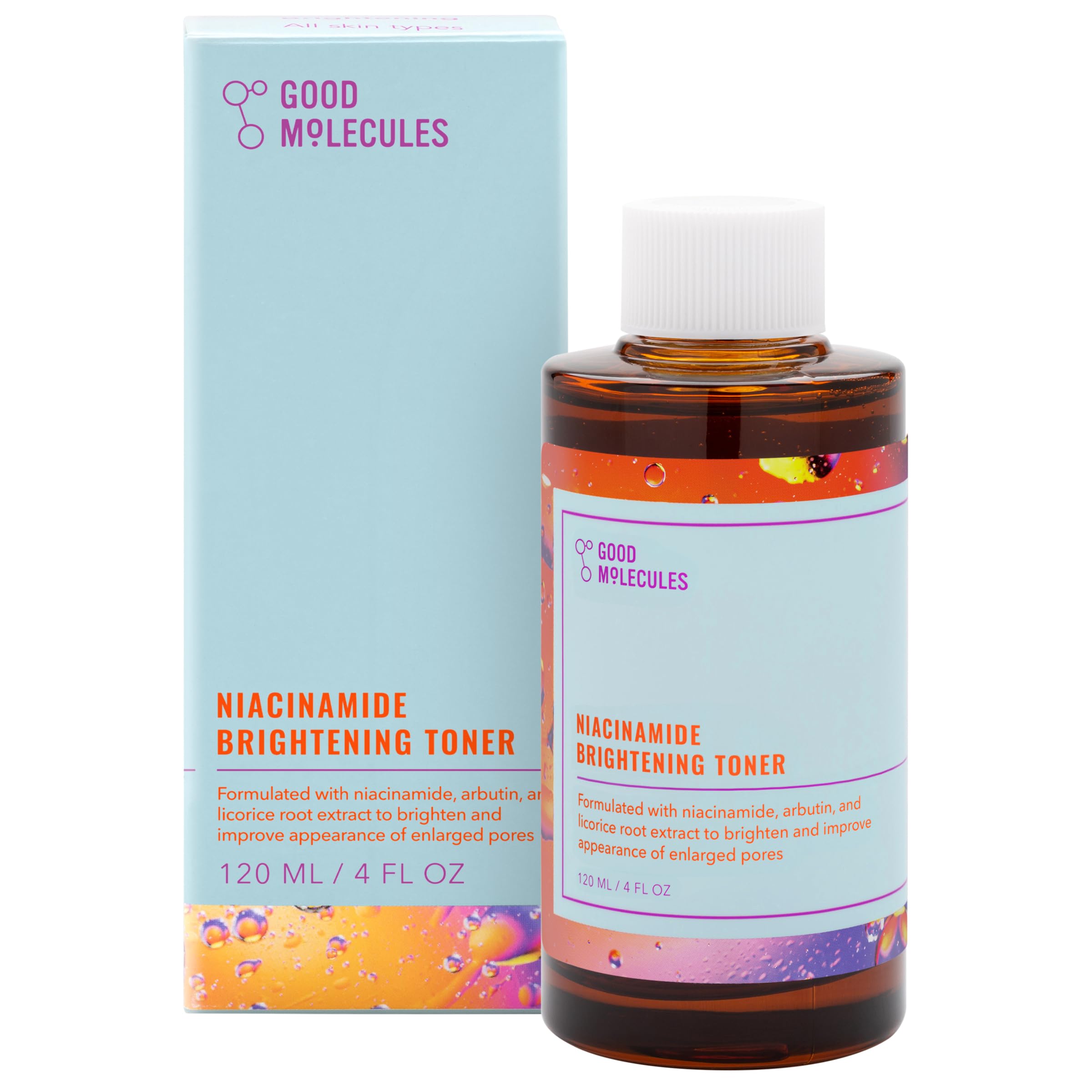
Good Molecules Discoloration Correcting Serum (30ml)
For shoppers whose skin cannot tolerate high concentrations of acidic pure L-Ascorbic Acid, this $12 hero from Good Molecules is a revelation. Formulated with an advanced, stable form of tranexamic acid paired with 4% niacinamide, it directly blocks the pathways that trigger post-acne dark spots and sun discoloration without stinging or redness.
What We Love
- Unbeatable $12 price point for clinical brightening actives
- Zero tingling, peeling, or irritation—ideal for sensitive skin
- Lightweight, watery gel texture layers seamlessly under SPF
Keep in Mind
- Requires 4 to 6 weeks of consistent morning and evening use
- Does not contain pure L-ascorbic acid for UV-free radical defense
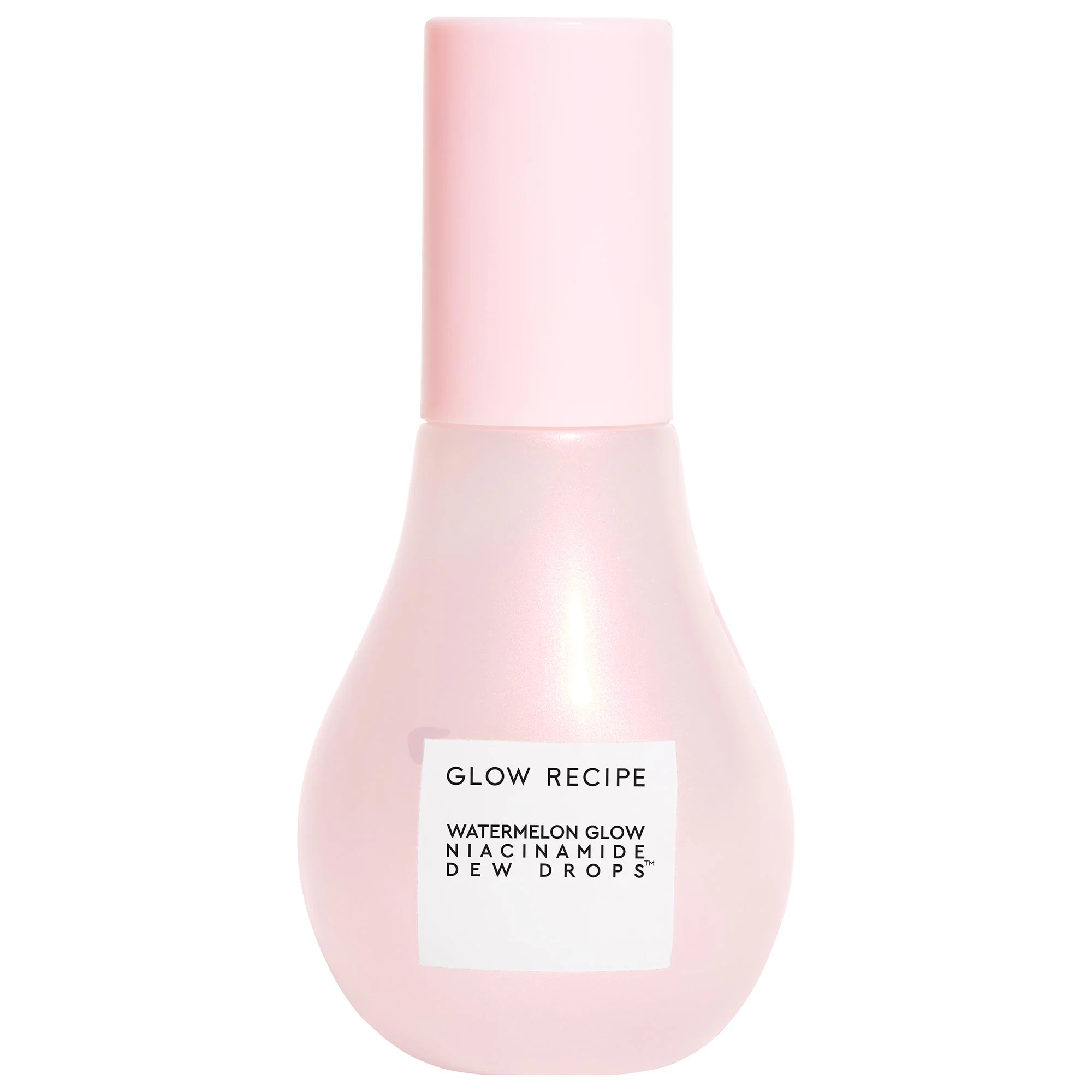
Glow Recipe Watermelon Glow Niacinamide Dew Drops (40ml)
Glow Recipe solved one of the biggest complaints with traditional brightening serums: chalkiness and stickiness. Dew Drops combines clinical tone-evening niacinamide with hyaluronic acid to deliver immediate, glassy skin reflection without using pore-clogging shimmer or mica. It functions equally well as a morning treatment serum or makeup primer.
What We Love
- Immediate visual radiance from the very first application
- Mica-free and glitter-free—produces a natural healthy glow
- Versatile: mixes beautifully into foundations or tinted moisturizers
Keep in Mind
- Contains watermelon fruit scent (skip if strictly fragrance-intolerant)
- Closer to the $50 threshold at $35 regular retail price
Olehenriksen Banana Bright+ Eye Crème with Vitamin C (15ml)
Delicate undereye skin is often too thin for full-strength facial Vitamin C serums. Olehenriksen's Banana Bright+ uses gold-complexed ascorbic acid for maximum stability, combined with light-reflecting banana mineral pigments that instantly neutralize purple and blue shadows while the active Vitamin C works long-term on collagen density.
What We Love
- Instant optical color correction for dark undereye circles
- Gold-stabilized Vitamin C prevents product oxidation in the jar
- Smooth velvet canvas prevents concealer creasing throughout the day
Keep in Mind
- $44 for 0.5 oz (a tiny amount goes a long way, but higher per-ounce cost)
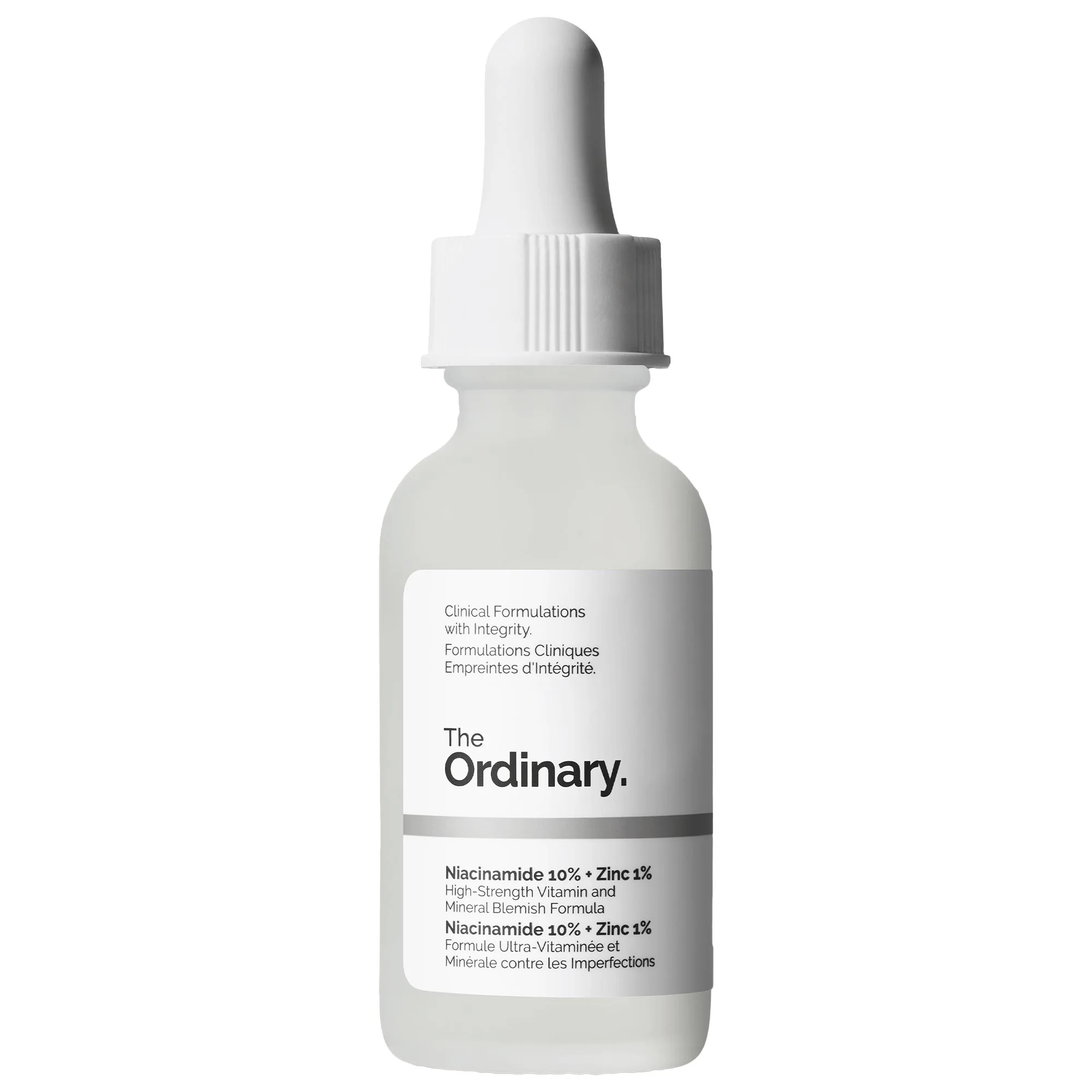
The Ordinary Niacinamide 10% + Zinc 1% (30ml)
The definitive benchmark in affordable brightening. If you are battling post-blemish red marks (PIE), enlarged pores, and uneven skin texture, this $6.00 formula regulates sebum and speeds up cell clarity. It acts as an ideal companion serum to use in the evening if you use active Vitamin C in the morning.
What We Love
- Unrivaled $6.00 price tag accessible to every budget
- Zinc PCA rapidly calms active inflammation and breakout redness
- Widely available at both Sephora and Ulta for easy points earning
Keep in Mind
- High 10% concentration can cause mild flushing on ultra-reactive skin
- Can pill if applied too thickly under silicone-heavy sunscreens
Frequently Asked Questions About Vitamin C
What percentage of Vitamin C is most effective?
Dermatological clinical trials show that pure L-Ascorbic Acid is most biologically effective between 10% and 20%. Concentrations below 10% provide slower pigment correction, while concentrations above 20% dramatically increase irritation, redness, and peeling without added clinical absorption. For beginners and sensitive skin types, 10% to 15% is the ideal sweet spot for visible tone-evening without barrier disruption.
Can Vitamin C cause irritation?
Yes, especially with pure L-Ascorbic Acid formulated at a low acidic pH (under 3.5) or in high concentrations. Common signs include mild stinging, flaking, or redness. If you have sensitive, rosacea-prone, or easily sensitized skin, opt for gentle, non-acidic lipid-soluble derivatives like THD Ascorbate, Sodium Ascorbyl Phosphate, or calming tranexamic acid and niacinamide alternatives (like Good Molecules Discoloration Serum).
Can I use Vitamin C with retinol?
Yes, but alternate times of day. The gold-standard dermatologist protocol is to use Vitamin C in the morning (to defend against daytime UV, pollution, and free radicals) and Retinol at night (to stimulate overnight cellular turnover and collagen repair). Layering them in the exact same step can overwhelm your moisture barrier and trigger redness due to conflicting optimal pH levels.
Can Vitamin C and niacinamide be used together?
Yes! The old myth that Vitamin C and Niacinamide cancel each other out has been completely debunked by modern cosmetic chemistry. Combining antioxidant Vitamin C with barrier-repairing, pore-refining Niacinamide delivers powerful dual-action defense against environmental pollution and post-inflammatory dark spots.
Morning or night application?
Morning application is optimal because Vitamin C neutralizes free radicals generated by daytime UV exposure and airborne pollution. Layering Vitamin C directly under your daily broad-spectrum SPF 30+ significantly boosts photoprotection. However, applying it at night still delivers collagen-building and pigment-brightening benefits if your daytime routine is already full.
How long before I see results?
Instant hydration and reflective radiance can appear within days, but true hyperpigmentation fading requires 4 to 8 weeks of daily, consistent application to match your natural skin cell turnover cycle. Structural collagen and firmness improvements typically show around the 12-week mark.
How should Vitamin C be stored?
Pure L-Ascorbic Acid oxidizes rapidly when exposed to air, heat, and direct light. Store your serum tightly sealed in a cool, dark drawer, medicine cabinet, or skincare fridge. If your serum turns from pale champagne to dark orange or amber brown, it has oxidized and lost its antioxidant potency.
Which form of Vitamin C is most stable?
THD Ascorbate (Tetrahexyldecyl Ascorbate) and 3-O-Ethyl Ascorbic Acid are the most stable modern forms. They are highly resistant to light, heat, and air oxidation, and easily penetrate the lipid layers of the skin with minimal risk of irritation compared to unstable pure L-Ascorbic Acid.
Do I need to spend over $100 on a Vitamin C serum for results?
No. While luxury serums feature premium carrier bases, effective stabilized Vitamin C and brightening actives (like THD Ascorbate, 3-O-Ethyl Ascorbic Acid, and Tranexamic Acid) perform exceptionally well in clinical formulations priced between $12 and $45.
About the Beauty Deal Compass Editorial Team
Beauty Deal Compass helps shoppers discover the best beauty products, compare prices across retailers, and find exclusive deals on skincare, makeup, haircare, and fragrance products. Our editorial team researches product ingredients, pricing trends, customer feedback, and retailer promotions to create unbiased shopping guides and product comparisons.
Never miss a price drop on your beauty routine
We monitor prices daily across Amazon, Sephora, and Ulta. Join our weekly newsletter to get notified when serums, moisturizers, and hair staples hit verified discounts.
Get Weekly Deal Alerts →